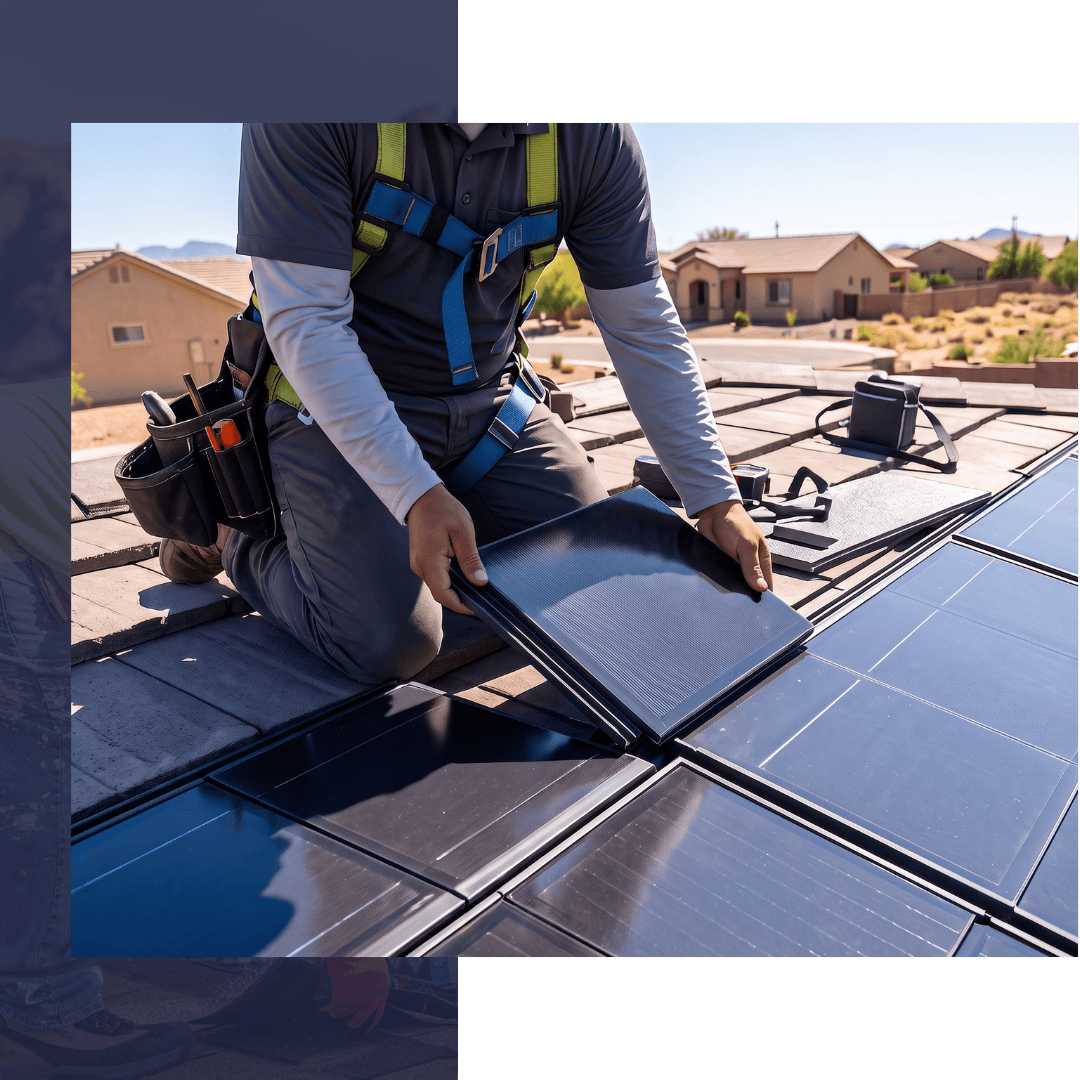
Arizona receives abundant sunshine throughout the year, making solar energy an appealing option for homeowners looking to generate electricity from their properties. For many Tucson residents, solar technology offers an opportunity to use the sun's energy while exploring ways to manage household electricity costs.
However, solar roofing involves more than placing equipment on top of a house. The roof must be in suitable condition, the solar system must match the property's energy needs, and the installation must account for local weather and building requirements.
Understanding how solar roof systems work can help homeowners decide whether solar panels or an integrated solar roofing system is right for their property. Before investing in solar technology, it is also important to consider the age, structure, and condition of the existing roof.
Solar roofing refers to roofing-related systems that generate electricity from sunlight. Depending on the design, this may involve conventional solar panels mounted above an existing roof or solar products integrated into the roofing surface.
Both approaches use photovoltaic technology to convert sunlight into electricity. However, they differ in appearance, installation requirements, cost, and how they interact with the existing roofing system.
Traditional solar panels are mounted on a roof using a racking system. The panels capture sunlight and generate direct-current electricity, which an inverter converts into alternating current for use in the home.
Depending on the system design, electricity may be used immediately, exported to the utility grid under applicable arrangements, or stored in a battery for later use.
Traditional panels are often installed on an existing roof that has sufficient remaining service life and can accommodate the equipment.
Integrated solar roofing products combine electricity-generating components with roofing materials. Solar shingles and certain solar roof tiles are designed to form part of the roof surface rather than sit above it like conventional panels.
These systems can offer a different appearance, but they may have specific installation requirements, product availability limitations, and higher project complexity.
Homeowners should compare the full roofing and electrical requirements before choosing an integrated system.
Although designs vary, most residential solar electric roofing systems follow a similar process.
Sunlight reaches the photovoltaic cells. Solar cells absorb sunlight and generate direct-current electricity.
An inverter converts the electricity. The inverter changes direct current into alternating current, which household electrical systems can use.
The home uses the generated power. Solar electricity can supply eligible household loads while the system is producing energy. The amount generated changes with sunlight, weather, shading, and system design.
Excess electricity may be exported or stored. Depending on the utility arrangement and equipment, surplus energy may be sent to the grid or stored in a compatible battery.
The grid may provide additional power. When the system does not generate enough electricity for household demand, the home may draw power from the utility unless another available source supplies it.
Solar panels do not automatically eliminate an electricity bill. Results depend on energy consumption, system size, utility rates, applicable export compensation, financing, and other factors.
Arizona's sunny climate can provide favorable conditions for solar electricity generation. However, actual output depends on the roof's orientation, tilt, shading, equipment, and seasonal conditions.
A qualified solar professional can assess the property and estimate expected production rather than relying on general sunshine figures alone.
A properly designed solar system may reduce the amount of electricity a household purchases from the utility. The financial benefit depends on how much power the system produces and how that electricity is used or compensated.
Homeowners should request estimates based on realistic energy production, utility rates, system costs, financing terms, and expected maintenance.
Some homeowners choose to pair solar panels with battery storage. A battery can store eligible surplus electricity for later use, subject to its capacity and system configuration.
Battery storage can also provide backup power for selected loads during certain outages when the system is appropriately designed. Standard grid-connected solar systems typically shut down during grid outages unless they include suitable backup equipment and configurations.
Solar equipment may be part of a broader home improvement plan. However, homeowners should not assume that solar installation automatically increases a property's value by a specific amount.
Roof condition, equipment ownership, financing arrangements, warranties, and local buyer demand can all influence how a solar system is viewed during a future sale.
Solar equipment is designed to remain in place for many years. Installing it on a roof that already needs major repairs or replacement can create avoidable complications.
If roofing work becomes necessary after solar installation, panels may need to be removed and reinstalled. This can add labor, coordination, and potential equipment-handling costs.
Before moving forward with solar roofing installations, consider the following factors.
An older roof may not be the best foundation for a long-term solar investment. A roofing inspection can help identify visible deterioration, leaks, damaged materials, and other concerns.
If replacement is likely in the near future, it may be practical to coordinate roofing work before installing solar equipment.
Solar panels, mounting equipment, and other components add weight to a roof. The property's structure and mounting locations must be suitable for the proposed installation.
A qualified professional should assess relevant structural requirements instead of assuming every roof can support the same system.
Roof penetrations and mounting points must be installed and sealed correctly to help prevent water intrusion. Poor installation details can contribute to leaks, even when the roofing material itself is in good condition.
Tile roofs, shingle roofs, and flat or low-slope roofs have different installation considerations. The roof type should be accounted for in the project plan.
Solar equipment should not interfere with essential drainage or prevent access to areas that may require maintenance. Flat and low-slope roofs deserve particular attention to water flow, roof penetrations, and equipment placement.
The final design should accommodate both the solar system and the ongoing needs of the roofing system.
Tucson's hot summers and seasonal monsoon storms make installation quality and maintenance important.
High temperatures can affect solar equipment performance, while strong winds and heavy rain can expose weaknesses in mounting, flashing, and waterproofing details. Dust and debris may also accumulate on panels and reduce energy production under some conditions.
Homeowners should ask installers how the proposed system is designed for local conditions, what inspections are recommended, and how equipment and roofing warranties work together.
It is also important to understand that solar panels do not eliminate the need to maintain the roof beneath them. The roofing system still needs periodic assessment, and any maintenance should follow the equipment manufacturer's safety guidance.
Traditional solar panels are installed above an existing roofing surface. They may be suitable when the roof is in good condition and the structure can support the proposed system.
Integrated solar roofing combines energy generation with roofing products. It may appeal to homeowners who prefer a more integrated appearance or are undertaking a larger roof replacement project.
Neither option is automatically the best choice for every property. Compare total installation cost, energy output, product availability, repair requirements, warranty coverage, and compatibility with your roof.
For some homes, conventional panels may offer a more practical solution. For others, an integrated product may fit the renovation goals. Obtain detailed proposals before making a decision.
Before contacting a solar roofing company, gather information about the roof's age, previous repairs, known leaks, and existing warranties.
Arrange a professional roofing assessment if the roof is aging or if you have noticed damaged materials or signs of moisture. Ask for any recommended repairs or replacement work to be documented.
Next, consult a qualified solar installer about system sizing, estimated production, equipment, permitting, utility requirements, and available financing. Confirm who is responsible for roofing work, electrical work, waterproofing, and coordination between contractors.
West Coast Roofing can be a starting point for discussing your roofing needs in the Tucson area. Confirm the specific solar services available before assuming the company provides solar equipment or installation.
It may be worth considering because Tucson receives abundant sunshine. Whether a system makes financial sense depends on installation costs, household energy use, utility arrangements, system performance, and financing.
They may be possible, but the roof should be assessed first. If major repairs or replacement are likely soon, completing that work before solar installation may help avoid additional costs later.
Solar panels cover portions of the roof, but they should not be treated as a replacement for a properly installed roofing system. The underlying roof, mounting hardware, and waterproofing details must all be suitable.
Most standard grid-connected systems shut down during a utility outage for safety reasons. Backup power generally requires compatible equipment, such as an appropriately configured battery system.
If the roof is near the end of its useful life or has significant damage, replacement before solar installation may be the more practical approach. A roofing assessment and solar consultation can help you plan the work.
Solar roofing can be an appealing option for Arizona homeowners, but the success of a project depends on more than sunshine. Roof condition, installation quality, equipment selection, energy needs, and long-term maintenance all deserve careful consideration.
Before investing in solar panels or integrated solar roof systems, make sure your roof is ready for the project. Visit West Coast Roofing to explore roofing services and discuss your roof's condition and maintenance needs. A sound roofing foundation can help you plan your next home improvement project with greater confidence.


 BēST Roofer Marketing
