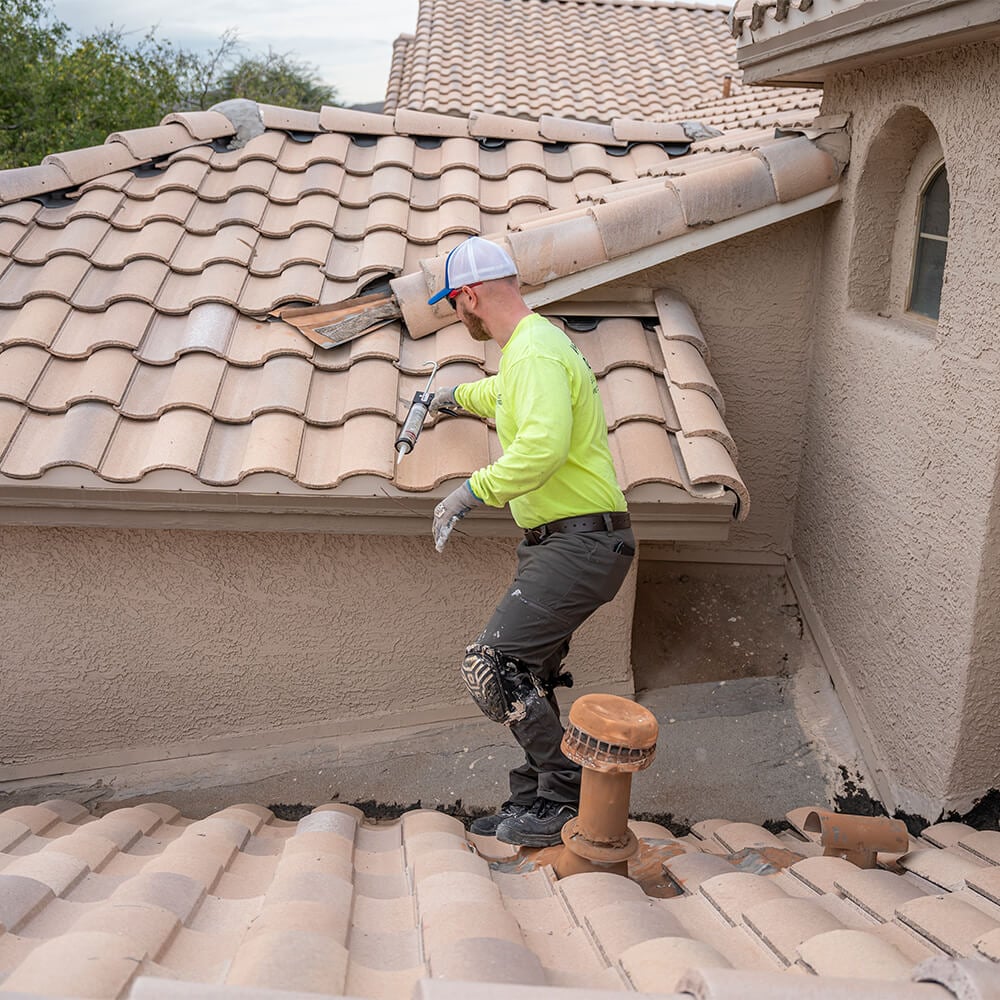
Your roof may look perfectly fine from the ground, but hidden damage can develop long before you notice a leak inside your home. In Tucson, intense sunlight, high temperatures, wind, and seasonal monsoon storms can gradually affect roofing materials and leave vulnerable areas exposed to moisture.
So, how often should you get a roof inspection in Tucson, AZ?
For many homes, a professional roof inspection at least once a year is a sensible maintenance practice. Additional inspections may be appropriate after severe weather, when signs of damage appear, or before buying or selling a property. The ideal schedule depends on your roof's age, material, condition, and exposure to the elements.
Regular inspections can help identify problems early, plan necessary maintenance, and determine whether repairs or other roofing services are needed.
In this guide, we'll explain when to schedule a roof inspection, what a professional evaluation includes, and how Tucson homeowners can take a proactive approach to roof maintenance.
Tucson's desert climate creates several challenges for residential and commercial roofing systems.
Extreme heat and UV exposure: Prolonged sunlight can gradually affect roofing materials, sealants, flashing, and protective coatings.
Monsoon storms and wind: Seasonal storms can damage shingles, dislodge tiles, affect flashing, and carry debris onto the roof.
Heavy rainfall: Roofs with drainage problems, damaged seams, or vulnerable penetrations may be more susceptible to leaks during periods of intense rain.
Temperature changes: Repeated expansion and contraction can place stress on certain roofing materials and connections over time.
These conditions make routine roof inspections an important part of property maintenance. An inspection can help identify visible deterioration and areas that may need further evaluation before a minor issue develops into a more extensive repair.
The right inspection schedule depends on your roofing system and its current condition.
For many homeowners, scheduling a roof inspection once a year provides a useful opportunity to check for deterioration, damaged materials, drainage concerns, and other developing problems.
An annual inspection can also help you understand the condition of your roof and plan maintenance before more significant work becomes necessary.
Consider arranging a professional inspection after a significant monsoon storm, strong winds, hail, or another weather event that may have affected your roof.
Even when damage is not visible from the ground, roofing materials, flashing, and drainage components may need attention.
Avoid climbing onto the roof to investigate storm damage yourself. A professional can assess accessible areas more safely.
Older roofs or roofing systems with a history of leaks may need more frequent monitoring.
If your roof has recurring problems, deteriorating materials, or previous repairs, ask a roofing professional how often it should be inspected.
A roof inspection can help buyers understand the roof's visible condition before completing a property purchase. Sellers may also benefit from identifying roofing concerns before listing a home.
A roofing inspection is not a guarantee that every hidden defect will be found, but it can provide useful information for maintenance planning and further evaluation.
A professional roof inspection involves evaluating accessible roofing components for visible damage, wear, and potential problem areas.
Depending on the property and roofing system, the inspection may include:
The inspection scope varies according to roof design, accessibility, and the service requested. If a problem requires specialized testing or further investigation, the contractor should explain the next steps.
You do not always need to wait until your annual appointment to schedule a roof inspection.
Contact a roofing professional if you notice:
These signs do not always mean a roof needs replacement. Depending on the cause and extent of the damage, maintenance or targeted roof repair may be sufficient.
The important step is to identify the source of the problem rather than ignore it.
Homeowners can monitor their properties for visible warning signs, but a ground-level check is not a substitute for a professional roof inspection.
You can look for missing roofing materials, damaged flashing visible from the ground, debris, ceiling stains, or signs of water intrusion inside the home.
However, walking on a roof can be dangerous and may damage certain roofing materials. Hidden defects, difficult-to-access areas, and problems beneath the roof surface may also go unnoticed during a basic visual check.
A qualified roofing professional can evaluate accessible roofing components and recommend further investigation when necessary.
After evaluating the roof, a contractor should explain the findings and discuss any recommended next steps.
Depending on the condition of the roofing system, the recommendations may include routine maintenance, localized repairs, roof coating where appropriate, or replacement if deterioration is extensive.
Ask for a clear explanation of any identified problems, the urgency of recommended work, and the reasoning behind the proposed solution.
If repairs are recommended, understanding the cause of the problem can help you make a more informed decision about protecting your property.
West Coast Roofing serves Tucson and surrounding areas. Visit West Coast Roofing to explore its roofing services and discuss your inspection needs.
For many homes, an annual inspection is a sensible starting point. Older roofs, recurring problems, and severe weather exposure may justify additional inspections.
Yes, especially after a significant storm or when you notice missing materials, debris, leaks, or other signs of damage. Avoid climbing onto the roof yourself.
Depending on the roof and inspection scope, a professional may evaluate roofing materials, flashing, seams, penetrations, drainage, and accessible attic or interior areas for signs of moisture.
An inspection cannot guarantee that leaks will never occur, but identifying damaged materials, deteriorating flashing, and drainage concerns early may help reduce the risk of water intrusion.
Contact a roofing company serving your area, explain any concerns, and ask about its inspection process. You can start by visiting West Coast Roofing's website to discuss your roofing needs.
Your roof protects your home from Tucson's intense sunshine and seasonal storms, making routine maintenance an important part of property ownership. Regular inspections can help identify visible problems early and clarify whether your roof needs maintenance, repair, coating, or replacement.
Rather than waiting for a ceiling stain or active leak, take a proactive approach to understanding your roof's condition.
Ready to arrange a roof inspection in Tucson, AZ? Visit West Coast Roofing to explore roofing services and discuss the right next step for your property.


 BēST Roofer Marketing
